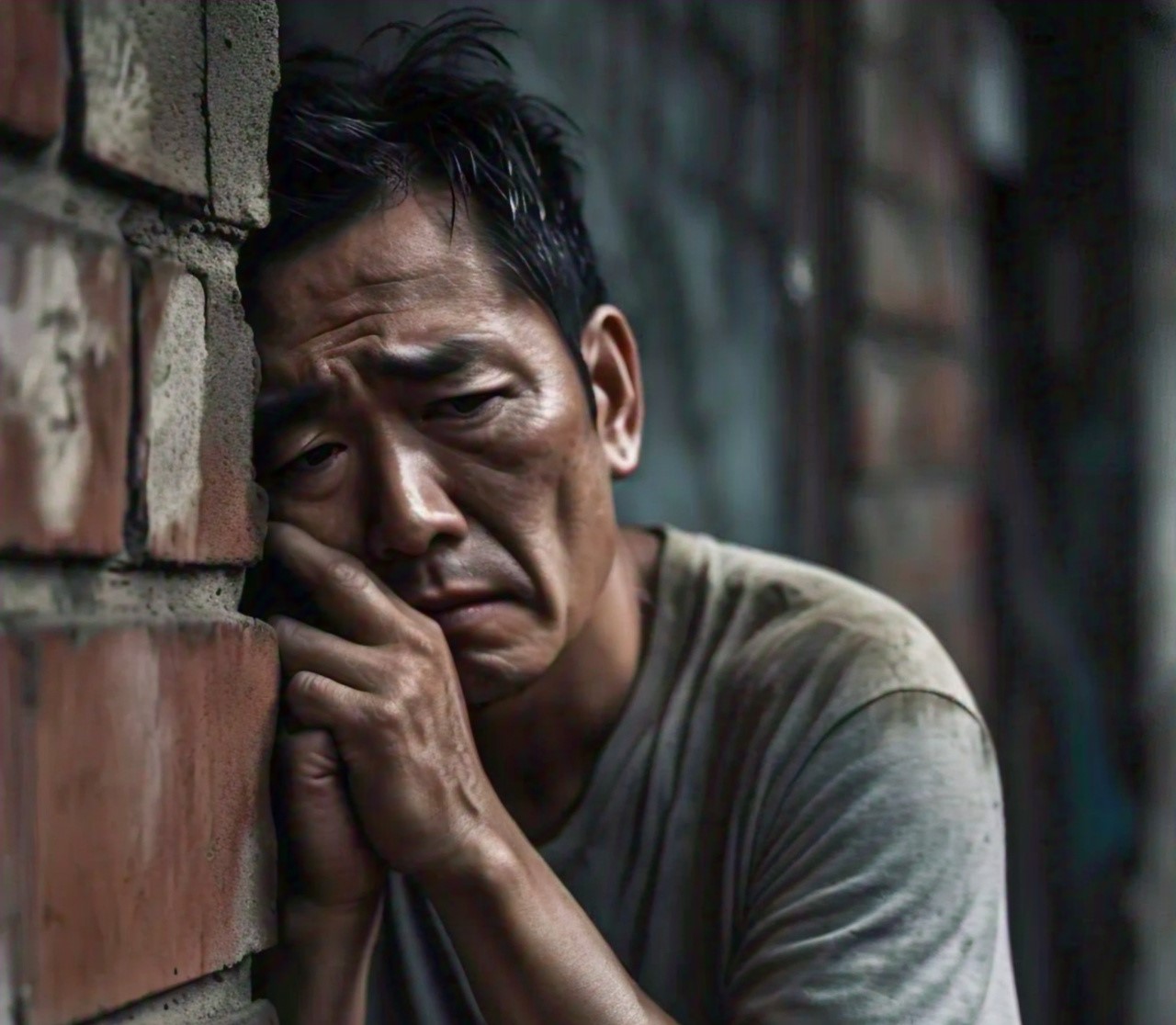
If you are a very intentional person many many times your life will often feel like a strategic game. We make decisions, weigh risks, and hope for the best outcome, but sometimes, the rules we break or bend, carry hidden costs. And this is the Game Theory Transgression: The ways in which we violate simple, moral, or relational “laws” when acting in our self-interest, even though those violations stunt our growth and damage our deeper flourishing.
I have been thinking deeply about this for the past 4 days and after a lot of reading about it, today I will explain what that means, why it happens, and most importantly, how understanding it can help us develop ourselves, live more wisely, and build more meaningful relationships.
What is the Game Theory Transgression?
- Game theory is a framework for analyzing decision-making in situations where we interact with others whose choices affect us.
- A transgression in this context is when we act in ways that make sense strategically (in the short term) but violate deeper principles, like trust, integrity, or long-term cooperation.
So in simpler terms: We too many times choose what wins in the moment, rather than what builds us in the long run.
And why is this a problem? Because these “strategic wins” can backfire. They might help us in the short term, but they erode our character, our relationships, and ultimately, our capacity to grow and thrive.
The Prisoner’s Dilemma of Everyday Life: The Game Theory Behind Self-Sabotage
To understand this better, let us talk about the Prisoner’s Dilemma, a very classic concept in game theory.
What is the Prisoner’s Dilemma?
Imagine two people are arrested; they can either stay silent (cooperate) or betray the other (defect).
- If both stay silent, they get a moderate punishment.
- If one betrays while the other stays silent, the betrayer goes free and the silent one gets a heavy punishment.
- If both betray, they get punished, but not as much as the one who stayed silent when betrayed.
The rational (self-interested) choice seems to be betrayal, right? But if both do that, the outcome is worse for both than if they had cooperated.

This “dilemma” captures a real concept for growth in our lives: What is best for me in this moment might not be best for both of us (or for the long-term).
If you know what the Prisoner’s Dilemma is, you are likely to know that it is more than just a clever thought experiment taught in psychology, mathematics and economics classes. It is a mirror held up to human nature, showing us the fragile balance between self-interest and cooperation. At first glance, the game seems to reward betrayal, but when we look deeper at it, we see that its true lesson is not about winning at another’s expense, but about the unshakable role of trust in human life. Without trust, our choices collapse into fear, but with it, we create the very foundation upon which society is built and or should be built.
Continue Reading: The Prisoner’s Dilemma: Why Trust Is the Foundation of Society
Why We Keep Violating the “Law” of Trust
Understanding why people repeatedly fall into self-defeating patterns helps us grow:
Short-Term Gains vs. Long-Term Harmony
In many situations, work, relationships, and in negotiations, we are tempted to defect because betraying (or breaking a small rule) gives us an immediate advantage.
But if everyone does this, trust breaks down, and what could have been a win-win becomes a lose-lose.
The dilemma reveals a deep truth: We are always torn between self-preservation and the hope that others will cooperate. Life is full of these silent agreements, whether on the road, in business, or in relationships. Our collective well-being depends not just on rules, but on the unseen thread of trust.
Continue Reading: The Prisoner’s Dilemma: Why Trust Is the Foundation of Society
Fear and Distrust
We defect not always because we want to win, but because we fear being betrayed first. Fear is a powerful motivator that pushes people to choose selfish strategies. And this fear-based mindset limits our ability to cooperate fully.
Lack of Faith / Shared Vision
Trust requires belief: Belief that others will do what is good not just for themselves, but for the group.
And when we lack that belief, when we do not trust in the shared vision or shared values, we fall back to self-protective strategies.
Broken Reciprocity
Real cooperation needs reciprocity: The sense that if I trust now, others will trust in return. But real life does not always guarantee this, and broken promises or betrayed trust reinforce the cycle of defection and distrust.
The Cost to Our Growth: What We Lose
When we keep transgressing this “law of trust,” what do we suffer?
Stunted Relationships
Without trust, relationships will stay shallow. We will not open up, we will not risk, and we will not build deep bonds.
And repeated betrayals and small violations will accumulate, and people will begin to expect the worst from each other.
Missed Opportunities for Cooperation
If we always defect, we will miss out on the richer, more sustainable benefits of collaboration, whether in business, community, or in our personal life.
Cooperation can unlock values, emotional, relational, practical, that defection never can.
Inner Disharmony
Actively choosing “win now” strategies will only chip away at our character, and then we start to become cynical, guarded, or even bitter.
And over time, this erodes our integrity and our self-respect, because we are not just hurting others, we are hurting the part of us that longs for connection and belonging.
Societal Decline
On a bigger scale, when trust is low across a society, social capital is killed in many areas. And according to game-theory-trust models, this can lead to very big issues: Because fear and selfishness will always continue to reinforce each other. And as trust declines, collective flourishing will weaken and our institutions, our communities, and our economy will suffer.
The real enemy in the Prisoner’s Dilemma is not betrayal itself, but the fear that the other person might betray, and this fear that comes with the lack of trusting the other person is what pushes some of us into suffocation. This distrust pushes us into defensive choices, even when cooperation could bring us greater freedom.
This same fear shapes our world today. Nations stockpile weapons “just in case.” Businesses guard secrets rather than collaborate, and individuals withhold love or honesty for fear of being hurt. In every case, the shadow of distrust creates isolation and diminishes what could have been gained through openness.
So know this: It is not only selfishness that breaks and kills trust but suspicion. And suspicion, once seeded, can grow faster than goodwill.
Continue Reading: The Prisoner’s Dilemma: Why Trust Is the Foundation of Society
How We Can DO BETTER
Knowing the problem is the first step. We need to apply these insights to grow and do better:
Cultivate Trust in Small Circles First
Start with close relationships, friends, family, and coworkers. Practice vulnerability, and choose to cooperate in low-risk settings to build relational trust.
Share intentions, be consistent, and follow through with what you said, in other words, keep your word. And these simple acts of trust build muscle.
Reflect on Long-Term Payoffs
Before choosing a short-term “win,” pause and ask: Will this decision build or kill trust in the long run? And train your mindset to value long-term relationships over temporary advantage.
Practice Faith (in People, and in Values)
Trust is more than a gamble: It is a belief in something greater than fear.
Work on your worldview: believe and hope for the best from people, believe that people can and will cooperate, that shared values matter, and that your trust is not naive, but courageous.
Model Reciprocity
When someone trusts you, do NOT betray that trust. Be trustworthy even when it is hard. Let your actions communicate that trust is not just a strategy, but a value you live by.
Learn from Failure
There will be betrayals, disappointments, and broken trusts. When they happen, reflect: What went wrong? What can I learn?
Use these moments to recalibrate, not to harden. Growth many many times comes through repair, not perfection.
Build Systems That Reward Trust
In your life from work, to community, to family, help create structures that make cooperation safer: Clear agreements, shared goals, and accountability And very very importantly encourage people to keep their word.
Read Also: Game Theory: Concepts To Effectively Navigate Life
Read Also: DON’T! Play The Zero-Sum Game with Life
Read Also: The Absence of Evidence is Not The Evidence of Absence: The Ignorance Fallacy
Conclusion
The game theory transgression is not just a philosophical idea; it is a practical challenge that shows up in how we live, how we work, and how we relate. And by recognizing how we keep choosing short-term advantage over long-term trust, we can begin to change our strategy.
The Prisoner’s Dilemma is not just a mental experiment; it is a mirror, because it reflects our fears, our desires, and the fragile foundation of trust that holds us together, for without trust, society slips into fear, but with trust, we build something greater.
In self-development, then, the challenge is: To choose trust, even when it is risky, because that is how real growth happens.