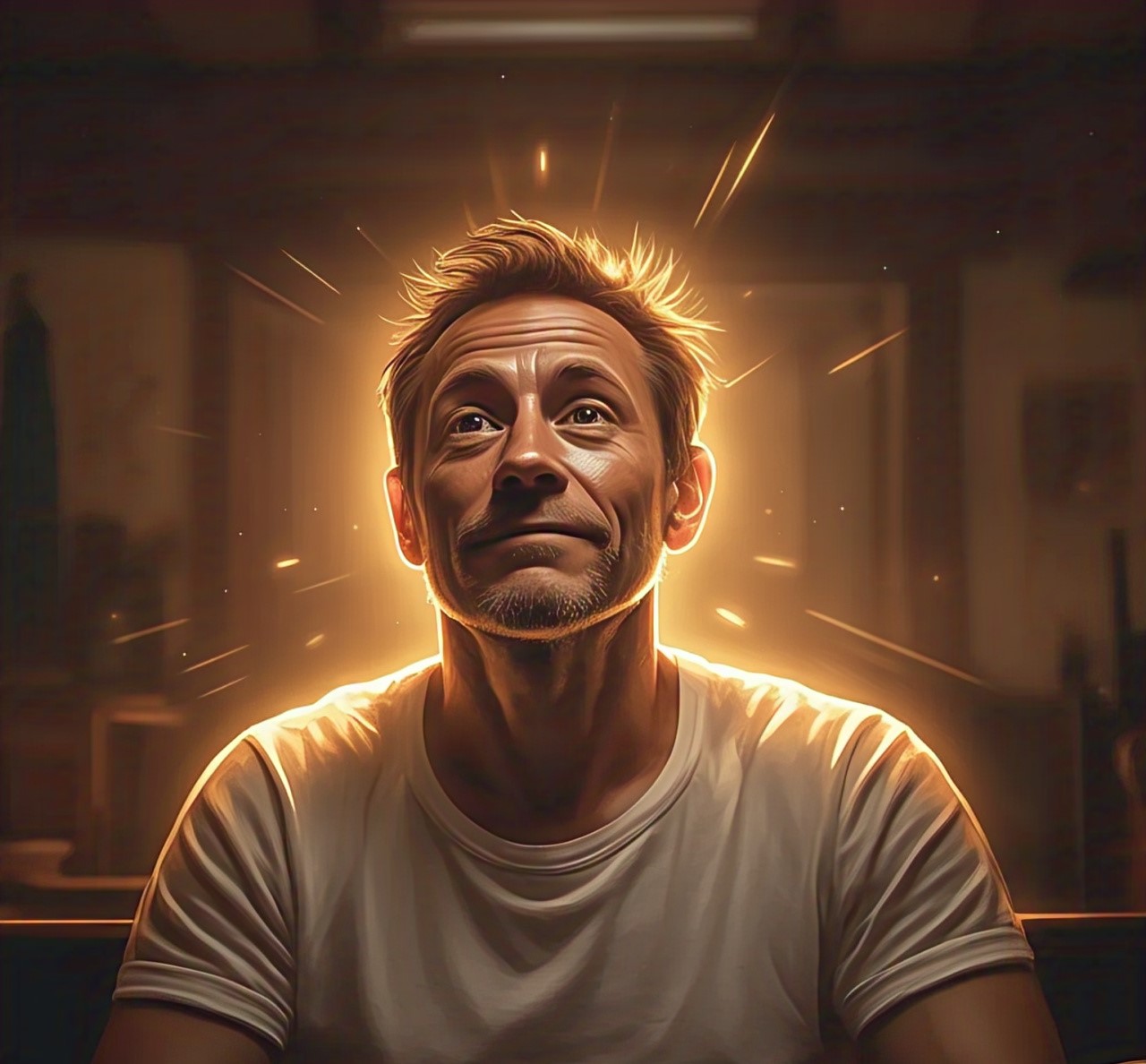
There is a pattern I have noticed, not just in others, but in myself, too. We all know professional procrastinators now or in the past, depending on our circle.
You know those people who are always planning, always preparing, always talking about what they are going to do next. They have ideas for improving their health, their finances, their work, and their relationships.
“I am ready to start eating better, but after the holidays.”
“I am ready to settle down… soon.”
“I am ready to begin that project, but I just need to finish one more thing first.”
On the surface, it sounds reasonable, but if we are honest, there is something deeper going on. Because the real question is not what they plan to do; the real question is: How much longer are they going to wait?
The Illusion of “Later”
Procrastination rarely looks like laziness, because most of the time, it disguises itself as planning. We tell ourselves we are getting ready, that we need more time; that the moment is not right yet. We say things like:
- “I will start when things settle down.”
- “I just need to prepare a little more.”
- “Next week will be better.”
But “later” has a way of stretching, and what starts as a short delay becomes a habit. And before we realize it, days turn into months, and months turn into years. And the life we said we wanted remains just that, something we talk about.
If I am honest, procrastination is not always about time; it is also about comfort. Because starting something new often requires effort, uncertainty, risk, and change, and those things are uncomfortable.
So instead of facing that discomfort, we delay, we stay where things feel familiar. We keep telling ourselves that we will act soon, but “soon” becomes a place we never actually arrive at.

One of the most dangerous things about procrastination is that its cost is not always immediate; it is subtle; it builds over time, and every time we delay:
- Opportunities pass
- Growth slows
- Momentum is lost
And we may not feel it in the moment, but over time, it accumulates. We begin to look back and realize that the life we imagined has not moved forward, not because we could not, but because we did not.
The Myth of the Perfect Moment
Many of us are waiting for the “right time.” The perfect moment; the moment when everything aligns, when we feel fully ready, when nothing stands in our way, but I have come to realize something important: That moment does not exist.
There will always be:
- Something unfinished
- Something uncertain
- Something inconvenient
If we wait for perfect conditions, we may wait forever, because life does not pause to create ideal circumstances for us.
Another thing I have learned is that readiness is often misunderstood. We think readiness is a feeling; we expect to feel confident, prepared, and certain before we begin, but in reality, readiness is often a decision.
We do not always feel ready before we start; we become ready by starting. The act of beginning is what creates clarity, builds confidence, and generates momentum. Waiting to feel ready can keep us stuck.
I can bet that we have all said it before: “I will start when I am ready.” At first it sounds reasonable right? And responsible, even, but nope, and here is the truth, you will likely never feel ready. And that brings us to this; the paradox of readiness is this: We wait for confidence before action, not realizing that confidence only comes through action.
And as Alex Hormozi put it in one of his posts on X: “You want to feel ready before you start, but you become ready by starting.”
This single idea flips our approach to growth, dreams, and discipline on its head.
Feeling “ready” is comforting; it gives us the illusion of control, as if preparation alone will remove all uncertainty. But readiness, in this sense, is not real, because it is most of the time just fear disguised as prudence, and as perfectionism dressed as patience.
We tell ourselves we are “just waiting for the right time,” when we have more money, more experience, more clarity, but honestly if we look deep down, we know the perfect time never comes just by waiting for it.
Continue Reading: The Readiness Paradox: You Don’t Get Ready to Start; You Get Ready by Starting
The Pattern of Endless Preparation
There is a cycle I have noticed: We plan! We prepare! We delay! We plan again! It feels productive, but it leads nowhere, because preparation without action does not produce results; it only creates the illusion of progress. At some point, we have to break the cycle; we have to move from thinking to doing.
One of the reasons we delay is because we think we need to take a big step. We think starting means doing everything at once, but that is not true.
Starting can be small; it can be:
- Writing one page
- Taking one walk
- Making one decision
- Having one conversation
What matters initially is not the size of the step; what matters is that we take it. Because small steps create movement, and movement creates progress.
At some point, we have to confront a simple truth: No one else is going to do it for us. No one else is going to improve our habits, build our future, and make our decisions; that responsibility belongs to us. And while that may feel heavy, it is also empowering, because it means that change is within our control.
The Question We Must Answer
When I think about all of this, it comes down to one question, again: How much longer are we going to wait?
Not in general, but personally.
- How much longer will we delay what we know we need to do?
- How much longer will we stay in the same place?
- How much longer will we tell ourselves “soon”?
Because time is moving, whether we act or not. Many people have good intentions; they want to grow; they want to improve, and they want to change. But intention alone is not enough; there is a gap between intention and action. And that gap is where procrastination lives; closing that gap requires a decision: A decision to move forward.
There is something powerful about starting; the moment we begin, something shifts.
- The fear becomes smaller
- The path becomes clearer
- The momentum begins
We may not have everything figured out, but we are no longer stuck, and that makes all the difference.
Read Also: In Your Time of Waiting, Prepare Yourself
Read Also: Time: The True Ultimate Currency
Read Also: Mount Stupid: The Paradox of Knowledge and Overconfidence
Conclusion
Again, my dearest readers, procrastination is not always obvious. It often hides behind good intentions, careful planning, and reasonable delays.
But if we are not careful, it can quietly keep us from moving forward; it can keep us waiting. Waiting for the right time, waiting to feel ready, and waiting for conditions to change.
But the truth again is this: Waiting does not create progress. Action does! So the question remains: How much longer are you going to wait?
Because at some point, we have to stop planning. We have to stop delaying! We have to stop saying “soon.” And we have to begin! Even if it is imperfect! Even if it is uncomfortable! Even if it is small, because the life we want is not built by waiting; it is built by action.