So recently I have been having conversations with different people, some friends, some acquaintances, and I have come to realize something, that there is a common belief that choosing not to vote is a way of staying neutral.
Some people even go as far as saying, “My vote does not count.” And others say, “The system is already broken.” And some simply feel that their participation will not make any meaningful difference.
And I understand those thoughts, because I used to have them too. But the more I reflected on it, the more I came to realize something important: When we do not vote, we are still making a choice.
It may not feel like a decision, but it is, and like every decision, it comes with consequences too, not just for us, but for our communities and the systems we live in.
The Illusion of Neutrality
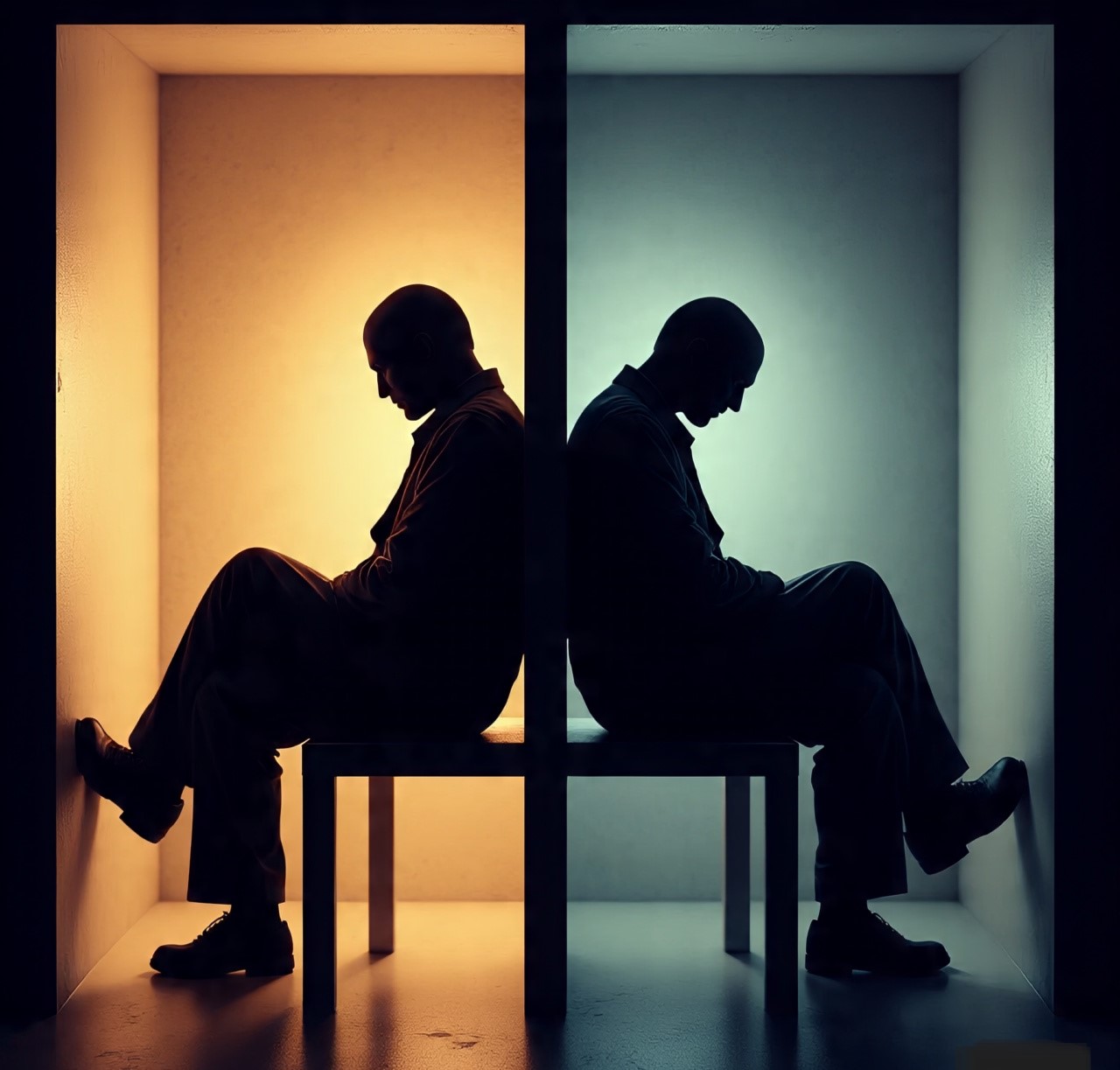
One of the biggest misconceptions about not voting is the idea that it keeps us neutral, but in reality, neutrality in this context does not truly exist.
When we choose not to participate, we are not stepping outside the system, but even worse, we are allowing the system to move forward without our voice. And when that happens, decisions are still made. Leaders are still chosen. Policies are still implemented.
The only difference is that we chose not to be part of that process, and this is why I believe that not voting is not an act of neutrality; it is an act of absence, and that absence has consequences.
Elections do not pause because some people stay home; the process continues. Results are declared, and leadership is established. The system does not wait for everyone to participate; it moves forward with whoever shows up. And this means that when we do not vote, we are indirectly allowing others to decide on our behalf.
And this connects deeply with something I talked about in the article Closing Your Eyes Is Not an Excuse.
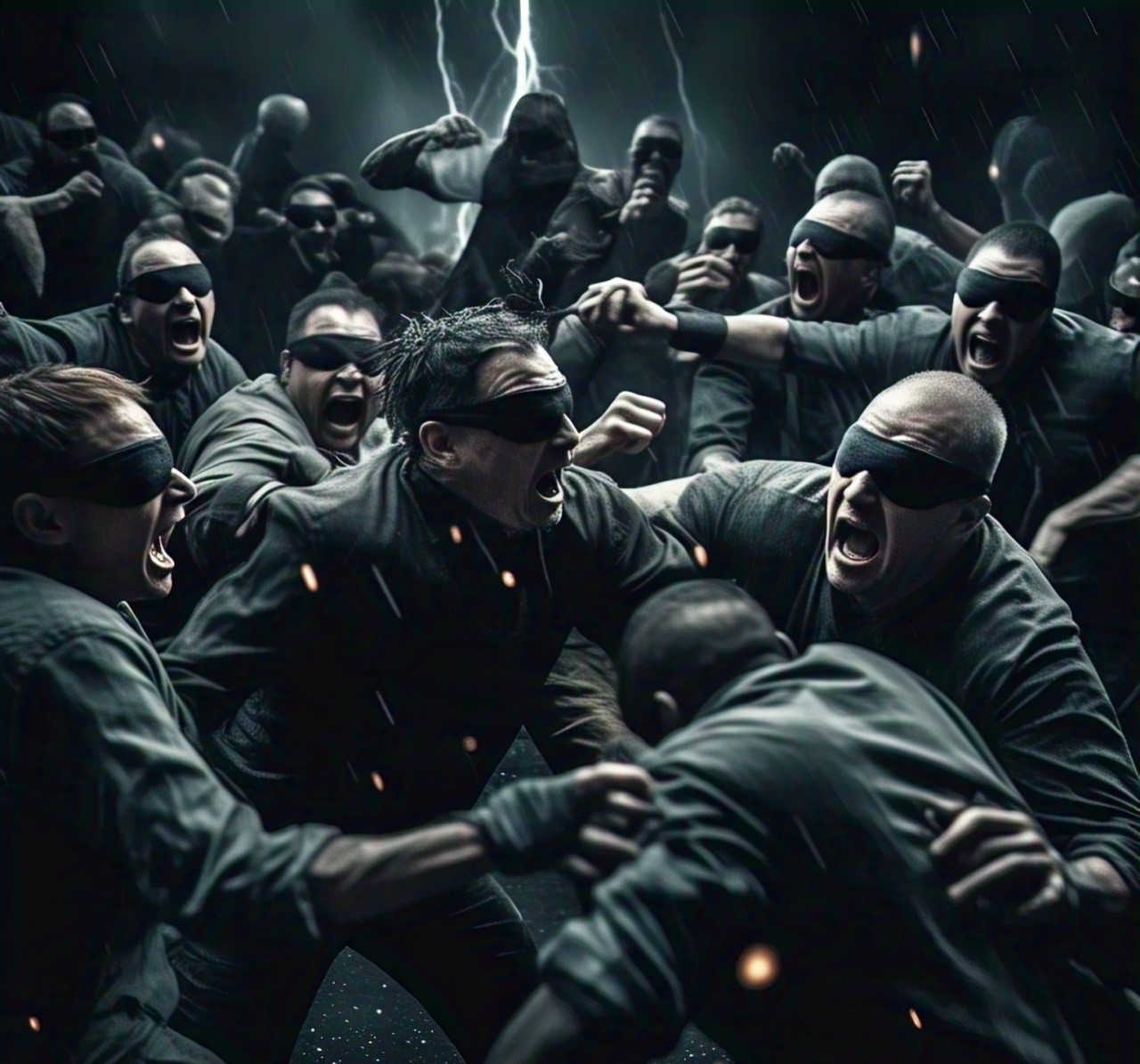
It is a seductive lie most people too often than not, tell themselves: If I do not look at it, if I act like I did not see it, I am not responsible for it. If we can keep our eyes shut, then our hands will be clean, and our hearts untouched, and we can go on with life guilt-free, but deep down, we know better, at least for the most of us. To deliberately ignore what is wrong is to quietly and other times openly accept it. In other words, to stay silent in the face of danger, injustice, or corruption is to participate in it.
And another thing is this; this lie is not new. Following the Daily Stoic podcast by Ryan Holiday, in Shakespeare’s Richard III, the character Brackenbury receives a clear order that will result in the murder of an innocent man, and what was his excuse? “I will not reason what is meant hereby, because I will be guiltless from the meaning.” But history and morality do not accept that kind of denial, and according to Ryan Holiday, neither does Stoicism.
From Seneca’s complicity with Nero, to world leaders who ignored Hitler’s intentions, to modern corporations turning blind eyes to toxic leadership and abuse, again, again and again we have seen the damages done when people look away and pretend not to know what happened, or what is happening. Whether it is out of fear, greed, laziness, or convenience, choosing to not get involved does not make us guiltless, even worse it makes us complicit, because closing your eyes is not an excuse. It never has been.
Continue Reading: Closing Your Eyes Is Not An Excuse
In that article, I reflected on how ignoring reality does not change it. Choosing not to see or engage does not remove responsibility.
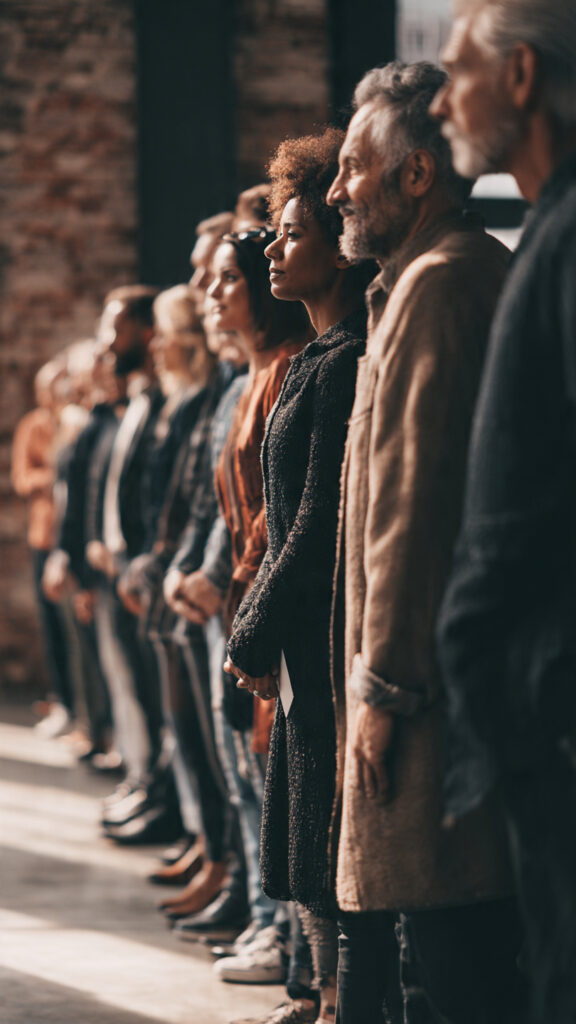
And the same principle applies here. Not voting does not remove us from the outcome; it simply removes our influence to push the decision in the direction we would have preferred.
When Good People Stay Away
One of the most concerning consequences of low participation is who fills the gap. When thoughtful, responsible, and community-minded people stay away from the voting process, the system is left in the hands of those who show up.
And not everyone who shows up is driven by integrity or concern for the greater good. Some are motivated by personal gain, some are driven by selfish ambition, and some have no real commitment to the well-being of the community.
And so obviously, when good people do not participate, they unintentionally or worse, intentionally create space for the wrong people to rise. This is not just a political issue; it is a moral one, because leadership shapes outcomes, and outcomes affect lives.
Another reality we must confront is that low participation makes systems more vulnerable. When fewer people vote, it becomes easier for outcomes to be influenced, controlled, or manipulated. Because the fewer voices there are, the easier it is to distort representation, but when more people show up, when participation is high, it becomes harder to manipulate the process.
In this sense, voting is not just about choosing a leader; it is also about protecting the integrity of the system itself. And so, by choosing not to vote, we unintentionally or worse again, intentionally contribute to the very problems we complain about.
You Don’t Get to Be Apolitical
Sometimes people say they are not interested in politics and that they prefer to stay out of it. They want to focus on their personal lives and avoid the complexities of governance, but the truth is, politics does not stay out of our lives.
Decisions made at leadership levels affect education, healthcare, security, infrastructure, and countless other aspects of our daily lives. And this is something I very very much talked about in the article You Don’t Get to Be Apolitical.
In today’s world and time for so many people silence is often mistaken for wisdom, and neutrality for peace. Many say, “I don’t do politics,” as if disengagement is a sign of balance or maturity, but the Stoics, those ancient champions of reason, virtue, and courage would disagree a million times and more. To them, philosophy was not about escaping the world; it was about engaging with it rightly, and that means speaking up, standing up, and doing your part for the common good.
Stoicism has long been misunderstood by so many as emotional detachment or passivity, a calm retreat from the chaos of the world, but Marcus Aurelius was not meditating his way out of responsibility; he was meditating his way into it. He was an emperor facing war, famine, and political friction, and he used Stoic principles not to run from his duty, but to ground himself in it.
Continue Reading: You Don’t Get to Be Apolitical: The Stoic Duty to Stand Up and Speak
We may choose not to engage, but the system still affects us, and because it affects us, we have a responsibility to participate in shaping it.
There is a deeper principle behind all of this, and it is not just about voting. It is about engagement, and again in the article The Call to Engage: Why Good People Can’t Abandon a Broken System.
When the world feels corrupt, when institutions lose their way, and when leadership rewards power over principle, for good people, for some if not most, the temptation to withdraw grows stronger. It feels cleaner to detach, to retreat into our own moral solitude, convinced that purity means distance. But both Confucius and Seneca, separated by centuries and continents, warned against such detachment; they believed that the moral person; the one who knows “The Way,” has a duty NOT to flee from a broken world but to engage with it, even at personal cost.
Because if “The good” withdraw, who remains? If the virtuous stay silent, who speaks? And if those who see clearly turn away, who will guide the blind?
The world does NOT need more critics, pessimists, naysayers, sceptics, doubters, andcynics. It needs the courageous few who are willing to wrestle with complexity, to serve for good even in a corrupt system, and to hold their convictions even when surrounded by compromise.
Continue Reading: The Call to Engage: Why Good People Can’t Abandon a Broken System
I reflected on the idea that withdrawing from flawed systems does not fix them. In fact, it often makes them worse.
If good people step back, those systems are left in the hands of those who care less about truth, integrity, and accountability. Engagement may sometimes be frustrating; it may feel slow; it may not always produce immediate results, but it is necessary. And voting is one of the simplest and most direct ways we can engage.
Voting is not always convenient; it requires time, it may involve waiting in line, and it may even come with frustration or disappointment. But responsibility is not always comfortable.
And again, in the article The Cost of Truth: Choosing Duty Over Approval.
If you don’t know, know this today: Truth has always been expensive. It costs comfort, it costs popularity, and it almost always costs approval. Yet every generation produces those rare souls who are willing to pay the price, not because they seek conflict or applause, but because their conscience will NOT let them live any other way.
Marcus Aurelius, writing in his Meditations, reminds himself: “If it’s not right, don’t do it; if it’s not true, don’t say it.” Simple words! Hard practice! Because truth is not just about accuracy; it is also very very much about moral courage. And courage, when it is most needed, is most times rarely applauded.
Continue Reading: The Cost of Truth: Choosing Duty Over Approval
I talked about the idea that doing what is right often requires us to step beyond comfort. And voting is one of those moments; it is a moment where we choose responsibility over convenience. A moment where we choose participation over apathy, and a moment where we choose to contribute, even if the impact feels small.
Doing Good Because it is Right
At the heart of this issue is a simple principle: We should do what is right, not because it guarantees a perfect outcome, but because it is right.
And with that again, my dearest readers, I invite you to read the article Why You Should Do Good for Its Own Sake.
Most of us are raised with the idea that goodness requires an external reason. Religion says, “Do good because God commands it,” and this is great for many reasons, and one of them is that I am a Christian, a follower of Christ, and one very clear way to be a good Christian and express your love for God is to keep his word.
“If you love Me, keep My commandments. – John 14:15 NKJV
Society says, “Do good because it is expected,” even self-help culture sometimes frames it as, “Do good because karma will reward you,” and Stoicism and many timeless traditions point us to its reason too: Goodness is worth pursuing for its own sake.
To live justly, courageously, and faithfully is not about avoiding punishment or chasing reward. It is about aligning with what makes life meaningful, because when we fail to live virtuously, the punishment is not always hell after death; it is the quiet misery of living in contradiction with ourselves.
Continue Reading: Why You Should Do Good for Its Own Sake
I reflected on the importance of acting with integrity regardless of immediate results. And again, voting fits into this idea. We do not vote only because we are certain our candidate will win; we do not vote only because we believe the system is perfect.
We vote because it is the right thing to do, because it is our responsibility, and because it is our duty.
The title of this article is something I have come to believe strongly: When you don’t vote, you still make a choice.
You choose to step aside! You choose to remain silent! You choose to allow others to decide for you! And that choice has consequences. It affects who leads! It affects how systems function! And it affects the future of the community!
Read Also: The Danger of Silence: When Good Men Refuse to Act
Read Also: The Sword of The Mind: Why Writing is The Ultimate Tool for Power
Read Also: Beyond The Wall of Excuses: Moving Beyond The Language of “Why I Couldn’t”
Conclusion
As I type and reflect on all of this, one truth has become clearer and clearer to me: Coming out to vote is a duty and a responsibility.
It is not optional in the deeper sense of what it means to live responsibly within a community. When we fail to vote, we are NOT just skipping an event.
We are failing to contribute in our own way and capacity! We are failing ourselves! We are failing our neighbours! We are failing our community! And we are failing the system!
Because participation is what gives a system strength, so whether we feel our vote counts or not, whether the system feels perfect or broken, the responsibility remains the same: We must show up, and we must play our part. Because when we do not vote, we are still making a choice, and that choice shapes the future.