For generations, the conventional wisdom regarding the human brain was one of rigid finality. The human brain was once viewed as an architectural masterpiece cast in solid, unchanging form or pattern. In this outdated framework, the adult mind functioned as a static monument, incapable of structural evolution after the conclusion of early development. If cognitive struggles, scattered focus, or limited creative capacity defined a person’s experience, these traits were mistakenly accepted as fixed, immutable aspects of that individual’s core identity.
But neuroscience has unveiled a truth that is as liberating as it is demanding: the brain is not a monument; it is a muscle. It possesses an extraordinary, lifelong capacity to reorganize itself by forming new neural connections. And this is the reality of neuroplasticity, the scientific proof that your potential is not fixed, but sculpted by the actions you take every single day. And if you are not intentional about the “reps” you are putting into your mind, your brain will adapt to the environment of your neglect. And so, my dearest readers, it truly is a “use it or lose it” reality.
The Fallacy of the Fixed Mind
The belief that our cognitive habits, personality traits, and emotional responses are static is one of the greatest barriers to personal growth. We often look at our recurring patterns; the tendency to lash out, the struggle to focus on meaningful work, the addiction, or the inclination to follow societal pressure as inherent components of our identity. We use phrases like “that is just how I am” as a shield to protect us from the discomfort of change.
But neuroplasticity reveals that your brain is fundamentally plastic. Every thought you dwell upon, every habit you repeat, and every environment you inhabit acts as a sculptor’s tool, physically altering the pathways within your brain. When you repeat a behavior, you are essentially strengthening a neural pathways. When you neglect a practice, the brain’s “pruning” mechanism begins to wither those unused connections. You are constantly building the mind you deserve to have, whether you are doing it consciously or by default.
This dynamic of constant neurological change means that your current mental landscape is a snapshot of your past habits, not a definitive blueprint for your future, because it can change or you can change, just like I called the “use it or lose it” reality. Because the brain constantly scans for efficiency, it prioritizes the pathways you travel most often. If your daily life is dominated by reactive behaviors like immediate frustration when facing a challenge or constant distraction when attempting to work, your brain physically optimizes for those reactions. And so, it becomes easier for you to lash out or lose focus, not because you are fundamentally flawed, but because your neural pathways has been meticulously conditioned by your own repetition.
But the liberating thing about this is that the brain can be just as eager to optimize for growth. And so, if you introduce a new, intentional habit like practicing focused prayer, engaging in complex analytical study, or choosing patience under pressure, you are initially forcing your brain to operate on an unpaved, difficult path. This is why change feels like resistance; you are literally creating new electrical infrastructure. But as you persist, the brain begins to pave that road. And what once felt like a monumental effort becomes an automatic reflex.
But my dearest readers, by failing to take charge of this process, we leave our neural growth to the random wind of our environment. We are essentially allowing our workplace stressors, social media algorithms, and unfiltered impulses to act as the primary architects of our minds.
Like I always say in different ways on this blog, to “Do Better, Be Better” is to reclaim that architecture. It is to recognize that you are the master of your own neurological destiny, capable of pruning away the connections that no longer serve your purpose and forging the high-speed pathways that lead to the life you were designed to live. Your brain is waiting for your instructions; it is time to start giving them.
The Science of Shaping
To understand how neuroplasticity transforms the life of a believer, we must view the brain through the lens of active stewardship. You are a spirit who possesses a soul and lives in a body. Because your spirit is already saved, the “work” of your life, the part you are responsible for, is the renewal of your soul and the conditioning of your mind.
When we choose to “Do Better, Be Better,” we are not just making a moral decision; we are initiating a physiological one. When we train ourselves to focus on things that are pure, lovely, and noble, we are strengthening the neural connections that support that way of life.
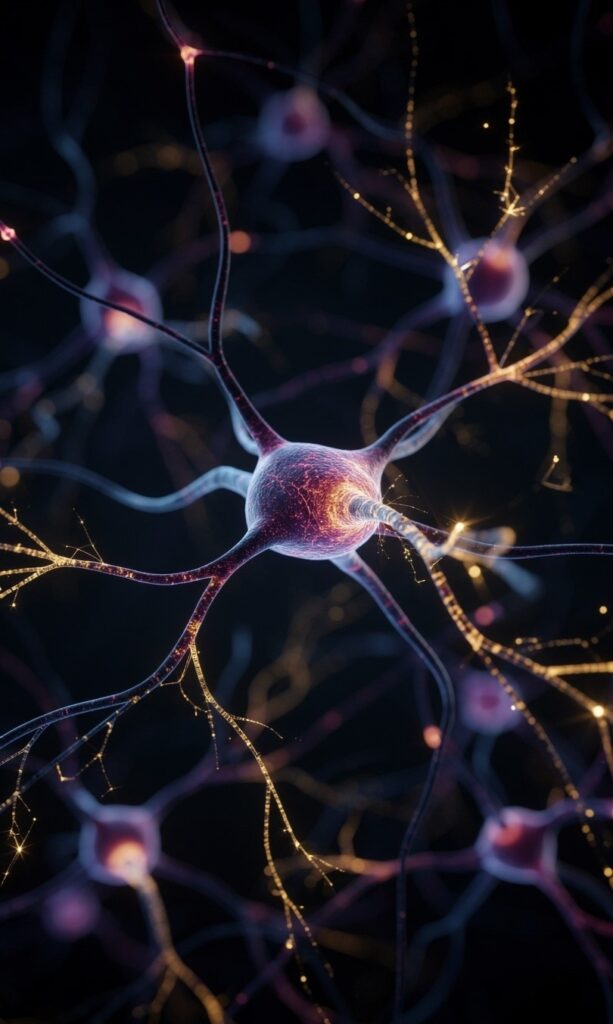
Conversely, if we allow ourselves to be dominated by the “temporary” issues of the world, we are literally building the physical infrastructure in our brain that makes it harder to hear the voice of the Spirit. And this is why character ethics are so vital: they are the daily exercises that keep our spiritual infrastructure sharp and responsive.
In the walk of faith, one of the most significant points of confusion for many believers is the persistence of old habits and thoughts after they have given their lives to Christ. Some people assume that because we are “new creatures,” our minds should automatically be purged of every negative inclination. But as My Man of God, Pastor Chris Oyakhilome DSc, DSc, DD, has profoundly taught, there is a vital distinction between the recreation of the spirit and the renewal of the mind.
If you do not understand this distinction, you will live a life of frustration, constantly doubting your salvation because of the dirty thoughts or old tempers that still surface in your mental space. To move from a life of struggle to a life of victory, you must understand the blueprint for spiritual transformation: First the spirit, and then the mind.
As My Man of God, Pastor Chris Oyakhilome DSc, DSc, DD, explains, when you were born again, it was not your body that was born again, and it was not your mind that was born again; it was your spirit. Your spirit is the part of you that was made brand new, created in righteousness and true holiness.
However, many Christians fall into a Mental Trap. They feel a supernatural shift in their spirit the moment they are saved, but three weeks later, they find themselves thinking the same wrong thoughts or feeling the same old urges they used to have. Because they do not understand that the mind remained the same, they allow the devil to convince them that they are not truly Christians. And then they give up on going to church and give up on God because they are waiting for a mental change that has not been worked for.
The Man of God, Pastor Chris makes it clear: Your spirit is perfect, but your mind is still the old you until you take the responsibility to change it.
Continue Reading: First the Spirit, Then the Mind: A Lesson from The Man of God, Pastor Chris Oyakhilome
The Daily Repetition Challenge
If your brain changes based on the “reps” you put in, then it begs the question: what are you currently training for? Many people unintentionally train their brains for distraction, comparison, and anxiety. They spend hours scrolling, comparing their behind-the-scenes reality to everyone else’s highlight reel, and reinforcing the pathways of inadequacy.
Consider the resistance you feel when you attempt to change your routine. Whether it is attempting to pray when you are used to distraction, or trying to write when you are used to consuming, the brain will always push back against new neural growth. But this resistance is not a sign that you should stop; it is the evidence that the brain is being reshaped.
To build a brain that serves your purpose, you must engage in intentional “Brain Reps.” And this could mean:
- Practicing silence in an era of constant noise.
- Engaging in deep, pedagogical study (relating to the methods, theory, or practice of teaching) rather than passive consumption.
- Deliberately choosing to take responsibility for your triggers rather than blaming the environment.
You do not just possess a brain; you should actively manage its development so that its excellence is visible in your character.
Rewriting the Patterns of the Past
One of the most profound implications of neuroplasticity is that your past does not have to dictate your cognitive future. Just as I discussed the “John the Baptist shift,” the necessity of decreasing the ego to allow Christ to increase, we see that neuroplasticity provides the physiological mechanism for this spiritual truth.
When you “crucify” the old self, you are committing to the systematic abandonment of old neural pathways. And you stop feeding the old habits, as you redirect your mental energy toward the Son of God and His word, you are physically creating new pathways in your brain that are aligned with His life. And with that, I say this is why the Scripture says, “It is no longer I who live, but Christ who lives in me.” Your brain is literally being rewired to allow for the life and expression of Christ.
This process requires a total surrender of the need to be the “architect” of your own life through pride, and a total acceptance of the role of “steward” of the life that has been given to you. My dearest reader, you are not a victim of your biology! You are the active, responsible curator of the temple where the Spirit dwells!
With all the noise, negativity, and distraction, today’s call to guard our thoughts is very obvious and idealistic, and the Apostle Paul’s words in Philippians 4:8 are not just a poetic encouragement; they are a battle cry for mental and spiritual renewal. He writes:
Finally, brethren, whatever is true, whatever is noble, whatever is right, whatever is pure, whatever is lovely, whatever is admirable, if anything is excellent or praiseworthy, think about such things. – Philippians 4:8
This verse is not a passive suggestion; it is a deliberate command to train our minds to dwell on what reflects the heart of God. Your thoughts shape your character, your actions, and ultimately, your destiny; what you entertain in your inner world eventually spills and reflects on the outer one.
So to have a beautiful life, we must start with a beautiful mind, not by worldly online and the ungodly trending standards, but by a soul that is aligned with truth, purity, and divine goodness. And so in today’s article I want us to talk about what it means to cultivate such a mind: Not just to avoid toxic thinking, but to intentionally plant thoughts that are lovely, noble, and life-giving.
Continue Reading: The Beautiful Mind: Planting What Is Pure and Lovely
The Stewardship of the Mind
In our digital community, we often discuss the importance of monitoring our traffic and our growth. We recognize that if we are not monitoring our analytics, we are effectively flying blind. The same logic applies to your cognitive life.
You must be the guard at the gate of your own mind. If you find that your cognitive function is decreasing, it is because you have allowed the “personal issues” to increase. You must have the courage to change the arrangement of your life. When you stop “pretending” and start being honest about your state, you provide the conditions necessary for your brain to begin healing and growing again.
Your brain is the hardware through which your spiritual life finds expression. If the hardware is cluttered with the junk of the world, your output will be compromised. But if you keep the hardware sharp, focused, and dedicated to the truth, your life will reflect the radiance of the One who purchased your salvation.
Have you ever felt like life keeps pulling you in different directions, some good, some not so great? So much so that it starts to create a void in your heart, builds up a burden and even starts to feel like physical pain, almost like your bleeding from your chest; I think there is a medical term for that, I can’t bring myself to remember at the moment, but the truth is, with a certain level of conviction, everything we do, say, and even believe starts in the heart. That’s why Proverbs 4:23 gives us this powerful instruction:
Guard your heart above all else, for it determines the course of your life. – Proverbs 4:23 NIV
As we always do, let’s think about it together; your heart is like the control center of your life. What you let in affects your thoughts, decisions, and even your future. So, how do we protect it from negativity, heartbreak, and distractions while keeping it open to love, joy, and faith?
And so my next question to you is this: How does the heart determine the course of one’s life?
Continue Reading: Guard Your Heart Above All Else
Read Also: The Horror of Words Not Turned Into Deeds
Read Also: Stop Using the “At Least” Mentality as an Excuse for Dysfunction
Read Also: Blow Your Own Trumpet: The Necessity of Strategic Storytelling
Conclusion
Neuroplasticity is not just a scientific curiosity; it is a profound validation of the call to “Do Better, Be Better,” just as the tagline of my blog reads. And I chose that tagline for this blog to remind myself and now you, my dearest readers, that we are not finished products. We are works in progress, and the daily decisions we make are the building blocks of who we are becoming.
So do not be discouraged by the patterns you currently observe in your life. If you have spent years building the wrong pathways, you can spend the rest of your life building the right ones. The “use it or lose it” reality is an invitation to use your mind for the high calling of God. It is an invitation to leave behind what is messy and damaging and embrace the hard, disciplined, beautiful, and authentic work of being transformed by the renewing of your mind.
Again, my faithful and dearest readers, I urge you to take responsibility for the possession of your soul. Commit to the daily reps of prayer, study, integrity, and focus. Blow your own trumpet, but not in the pride of the world, but in the confidence of the work that God is doing in you, and let the world see the difference that a rewired, Spirit-filled life can make. The race is not for the fast, but for the faithful; and the most faithful runner is the one who understands that every step is an opportunity to grow into the fullness of Christ.